Electrochemistry
What is electrochemistry?
Electrochemistry is the study of chemical reactions that involve the movement of electrons. These reactions occur in cells (Fig. 4) with electrodes (conductive surfaces) that facilitate the transfer of electrons via oxidation (loss of electrons, occurs at the anode) and reduction (gain of electrons, occurs at the cathode).
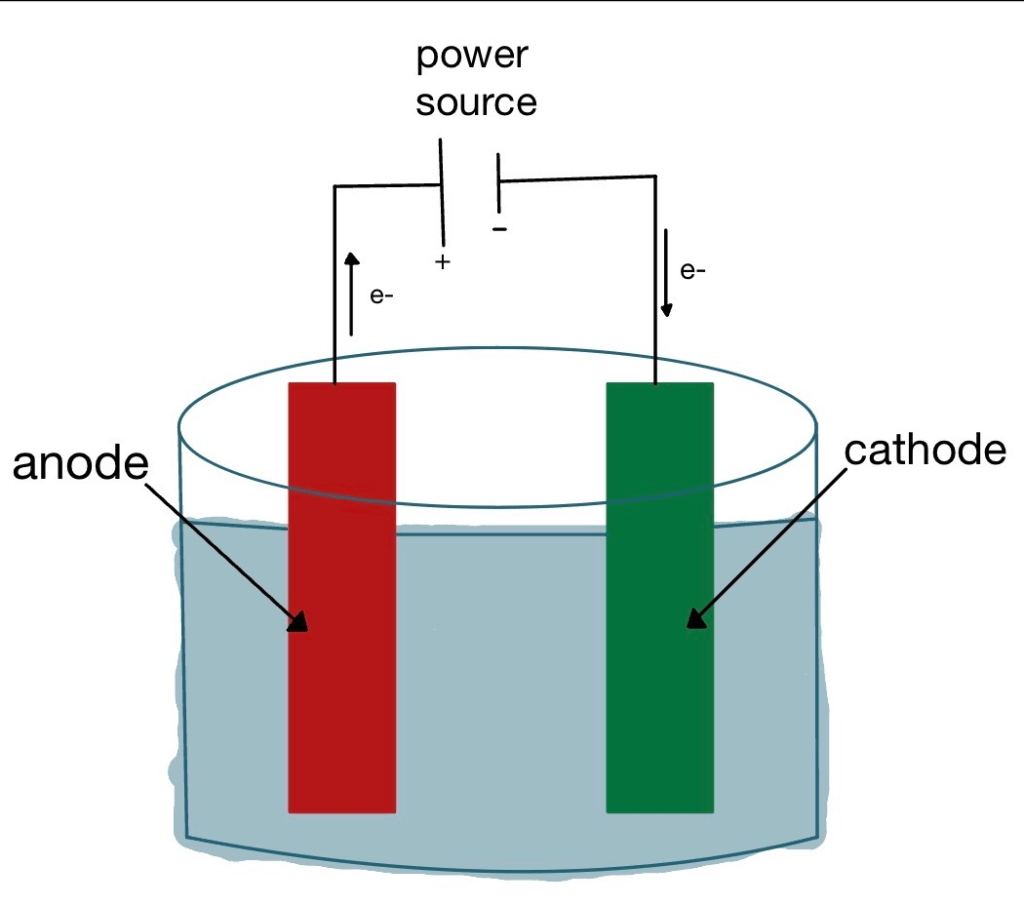
Figure 4. Diagram of a typical electrochemical cell.
Where is electrochemistry used?
Electrochemical cells are currently used in a wide variety of applications. The most common use of electrochemistry is in batteries. Electrochemistry is also used in fuel cells. Fuel cells are battery replacements that produce chemical energy from fuels via electro-oxidation reactions.8 Additionally electrochemical biosensors show promise in medical technology as electrode surfaces can be tailored to specific biologic systems.9
Why use electrochemistry for plastic degradation?
Traditional plastic recycling methods often require high temperatures, harsh chemical conditions, expensive infrastructure and materials, and can be difficult to implement on a large scale.
In the context of plastics, electrochemistry offers a new way to break down polymer chains into useful chemical building blocks under milder and potentially greener conditions using renewable energy sources and tailored electrodes.
References
1. Napper, I. E.; Thompson, R. C. Y. 2. Plastics and the Environment. Annual Review of Environment and Resources 2023,48, 55–79.
2. Hutcheon, T. Phase-Out Single use Plastics is the next step in reducing Plastic Pollution. 2019.
https://www.boomerangalliance.org.au/phase-out-single-use-plastics-is-the-next-step-in-reducing-plastic-pollution. (Accessed Feb 18 2026).
3. Zhang, W.; Killian, L.; Thevenon, A. Electrochemical recycling of polymeric materials. Chem. Sci. 2024, 15, 8606–8624.
4. P, G. G.; Bharti, A.; Mondal, A. Electrochemical degradation strategies for polystyrene microplastic: Current trends and future prospects. Polymer degradation and stability 2025, 238, 111351.
5. Yan, Z.; Liu, Y.; Zhang, T.; Zhang, F.; Ren, H.; Zhang, Y. Analysis of Microplastics in Human Feces Reveals a Correlation between Fecal Microplastics and Inflammatory Bowel Disease Status. Environ. Sci. Technol. 2022, 56, 414–421.
6. Geissdoerfer, M.; Savaget, P.; Bocken, N. M. P.; Hultink, E. J. The Circular Economy – A new sustainability paradigm? Journal of cleaner production 2017, 143, 757–768.
7. Wood Mackenzie Chemicals Circular Economy. 2018.
https://www.woodmac.com/news/feature/circular-plastics-economy/. (Accessed Feb 18 2026).
8. Carrette, L.; Friedrich, K. A.; Stimming, U. Fuel Cells: Principles, Types, Fuels, and Applications. ChemPhysChem 2000, 1, 162–193.
9. Frew, J. E.; Hill, H. A. O. Electrochemical biosensors. Anal. Chem. 1987, 59, 933A–944A.
10. Jansson, A.; Möller, K.; Gevert, T. Degradation of post-consumer polypropylene materials exposed to simulated recycling—mechanical properties. Polymer Degradation and Stability 2003, 82, 37–46.
11. Verma, R.; Vinoda, K. S.; Papireddy, M.; Gowda, A. N. S. Toxic Pollutants from Plastic Waste- A Review. Procedia Environmental Sciences 2016, 35, 701–708.
12. Han, S.; Wang, J.; Li, Y.; Wang, C.; Wu, Y.; Liu, B. Strategies for Electrochemical Recycling of Plastic Polyethylene Terephthalate-Derived Ethylene Glycol Into High-Value Chemicals. Adv. Energy Mater. 2025, 15, 2502368.
13. Myren, T. H. T.; Stinson, T. A.; Mast, Z. J.; Huntzinger, C. G.; Luca, O. R. Chemical and Electrochemical Recycling of End-Use Poly(ethylene terephthalate) (PET) Plastics in Batch, Microwave and Electrochemical Reactors. Molecules 2020, 25.
14. Pham, P. H.; Barlow, S.; Marder, S. R.; Luca, O. R. Electricity-driven recycling of ester plastics using one-electron electro-organocatalysis. Chem Catalysis 2023, 3, 100675.
15. Zhou, Y.; Rodríguez-López, J.; Moore, J. S. Heterogenous electromediated depolymerization of highly crystalline polyoxymethylene. Nature Communications 2023, 14, 4847.
16. Hourtoule, M.; Trienes, S.; Ackermann, L. Anodic Commodity Polymer Recycling: The Merger of Iron‐Electrocatalysis with Scalable Hydrogen Evolution Reaction. Angewandte Chemie International Edition 2024, 63, e202412689–n/a.
17. Rahimi, A.; García, J. M. Chemical recycling of waste plastics for new materials production. Nature Reviews Chemistry 2017, 1, 0046.18. Rahimzadeh, R.; Ortega-Ramos, J.; Haque, Z.; Botte, G. G. Electrochemical Oxidation and Functionalization of Low-Density Polyethylene. ChemElectroChem 2023, 10, e202300021.
 Electrochemical Recycling