Plastics
What are plastics?
Plastics are synthetic polymers widely used for a variety of purposes. Around 40% of these synthetic polymers are single-use plastics, which are commonly used for packaging (Fig. 1).1
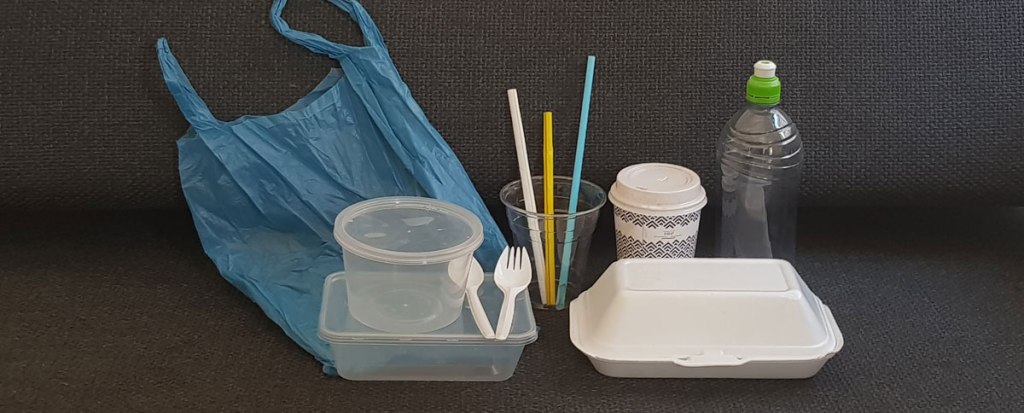
Figure 1. Examples of single-use plastics.2
Plastics are manufactured through the combination of polymeric materials with additives, resulting in an efficient and economical approach to product manufacturing.3 Common plastics include polyethylene (PE), polypropylene (PP), polyethylene terephthalate (PET), polystyrene (PS), and polyvinyl chloride (PVC). These plastics are all polymers composed of differing monomers offering variable properties in their structures (Fig. 2). These differences in structures of monomers influence the strength, flexibility, thermal properties, and recyclability of their respective polymers.1
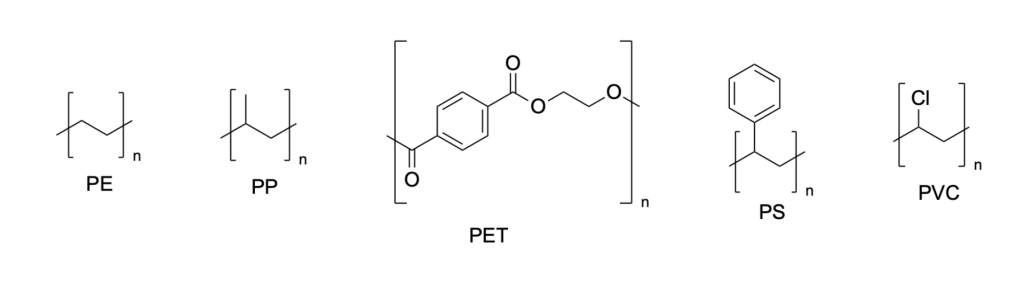
Figure 2. Repeating unit structures of polyethylene (PE), polypropylene (PP), polyethylene terephthalate (PET), polystyrene (PS), and polyvinyl chloride (PVC).
The plastic pollution problem
Plastic pollution has become a pressing environmental issue of modern society. Every year thousands of tons of plastics are used in manufacturing facilities.4 Over 8 billion metric tons of plastic have been produced, and over 60% of this plastic has ended up in landfills.3
Some consequences of this plastic pollution include, but are not limited to: increased greenhouse gas emissions, dangers to wildlife via ingestion, microplastic contamination in human food and water sources, accumulation in soils and waters, and marine life entanglement. Because polymers have such high durability they are incredibly environmentally persistent and resist degradation.
Microplastics are small plastic particles, generally under 5 mm. In some cases microplastics are synthetically prepared and implemented into synthetic fibers and toothpaste, these are called primary microplastics. Secondary microplastics are created when plastic fragments into tiny pieces over time due to environmental factors, chemical exposure, and mechanical stress. Studies have shown that consumption of microplastics via drinking water, inhalation, and ingestion can lead to a variety of health risks such as inflammatory diseases.5
Why is recycling of plastics important?
Recycling plastics supports a circular economy. A circular economy is a model that pairs with sustainability, and hopes to keep materials in use for as long as possible while minimizing waste (Fig. 3).6 The concept of circular economy in plastic production reduces landfill accumulation, greenhouse gas emissions, and environmental contamination.
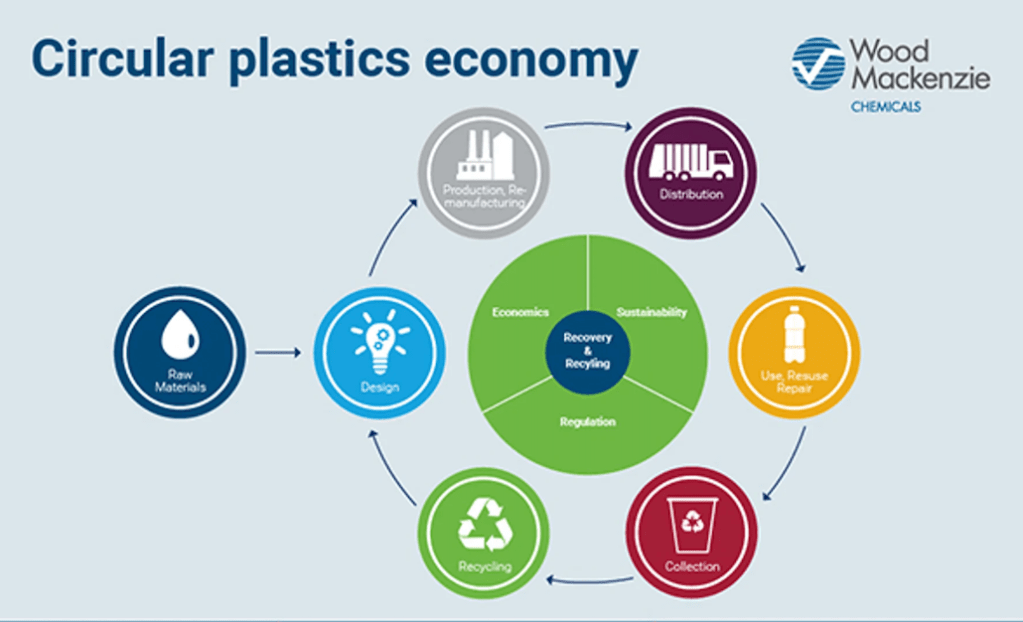
Figure 3. Diagram of a circular economy.7
Recently polymer recycling strategies have begun to focus on upcycling. Upcycling converts waste polymers into higher-value polymers that can be functionalized and used in differing applications.
References
1. Napper, I. E.; Thompson, R. C. Y. 2. Plastics and the Environment. Annual Review of Environment and Resources 2023,48, 55–79.
2. Hutcheon, T. Phase-Out Single use Plastics is the next step in reducing Plastic Pollution. 2019.
https://www.boomerangalliance.org.au/phase-out-single-use-plastics-is-the-next-step-in-reducing-plastic-pollution. (Accessed Feb 18 2026).
3. Zhang, W.; Killian, L.; Thevenon, A. Electrochemical recycling of polymeric materials. Chem. Sci. 2024, 15, 8606–8624.
4. P, G. G.; Bharti, A.; Mondal, A. Electrochemical degradation strategies for polystyrene microplastic: Current trends and future prospects. Polymer degradation and stability 2025, 238, 111351.
5. Yan, Z.; Liu, Y.; Zhang, T.; Zhang, F.; Ren, H.; Zhang, Y. Analysis of Microplastics in Human Feces Reveals a Correlation between Fecal Microplastics and Inflammatory Bowel Disease Status. Environ. Sci. Technol. 2022, 56, 414–421.
6. Geissdoerfer, M.; Savaget, P.; Bocken, N. M. P.; Hultink, E. J. The Circular Economy – A new sustainability paradigm? Journal of cleaner production 2017, 143, 757–768.
7. Wood Mackenzie Chemicals Circular Economy. 2018.
https://www.woodmac.com/news/feature/circular-plastics-economy/. (Accessed Feb 18 2026).
8. Carrette, L.; Friedrich, K. A.; Stimming, U. Fuel Cells: Principles, Types, Fuels, and Applications. ChemPhysChem 2000, 1, 162–193.
9. Frew, J. E.; Hill, H. A. O. Electrochemical biosensors. Anal. Chem. 1987, 59, 933A–944A.
10. Jansson, A.; Möller, K.; Gevert, T. Degradation of post-consumer polypropylene materials exposed to simulated recycling—mechanical properties. Polymer Degradation and Stability 2003, 82, 37–46.
11. Verma, R.; Vinoda, K. S.; Papireddy, M.; Gowda, A. N. S. Toxic Pollutants from Plastic Waste- A Review. Procedia Environmental Sciences 2016, 35, 701–708.
12. Han, S.; Wang, J.; Li, Y.; Wang, C.; Wu, Y.; Liu, B. Strategies for Electrochemical Recycling of Plastic Polyethylene Terephthalate-Derived Ethylene Glycol Into High-Value Chemicals. Adv. Energy Mater. 2025, 15, 2502368.
13. Myren, T. H. T.; Stinson, T. A.; Mast, Z. J.; Huntzinger, C. G.; Luca, O. R. Chemical and Electrochemical Recycling of End-Use Poly(ethylene terephthalate) (PET) Plastics in Batch, Microwave and Electrochemical Reactors. Molecules 2020, 25.
14. Pham, P. H.; Barlow, S.; Marder, S. R.; Luca, O. R. Electricity-driven recycling of ester plastics using one-electron electro-organocatalysis. Chem Catalysis 2023, 3, 100675.
15. Zhou, Y.; Rodríguez-López, J.; Moore, J. S. Heterogenous electromediated depolymerization of highly crystalline polyoxymethylene. Nature Communications 2023, 14, 4847.
16. Hourtoule, M.; Trienes, S.; Ackermann, L. Anodic Commodity Polymer Recycling: The Merger of Iron‐Electrocatalysis with Scalable Hydrogen Evolution Reaction. Angewandte Chemie International Edition 2024, 63, e202412689–n/a.
17. Rahimi, A.; García, J. M. Chemical recycling of waste plastics for new materials production. Nature Reviews Chemistry 2017, 1, 0046.18. Rahimzadeh, R.; Ortega-Ramos, J.; Haque, Z.; Botte, G. G. Electrochemical Oxidation and Functionalization of Low-Density Polyethylene. ChemElectroChem 2023, 10, e202300021.
 Electrochemical Recycling